


When I first read the essay I Wouldn’t Be a Bitch If My Mind Wasn’t in Overload by Ellen Scherr in her Life Branches Substack (after I snickered at the amazing title), I felt relief.
Her phrase, “The Hijacked Brain,” immediately lodged itself in my head. I couldn’t think of a better description for the cognitive overload so many midlife women carry every day.
If you’re not already reading Life Branches, I highly recommend starting with that essay.
As I read it, I found myself nodding along. The endless tracking. The planning. The remembering. The invisible work of holding information for everyone around us.
Not just appointments and grocery lists.
Who needs what.
Who forgot what.
Who is upset with whom.
What needs to happen next week.
What needs to happen six months from now.
The constant background processing that never fully powers down.
Why Vacations Don’t Always Feel Restful
And then one particular section stopped me cold.
Scherr writes that many of us struggle to relax because our brains no longer trust that it’s safe to stop monitoring.
That hit me harder than I expected.
And the moment I read that, I started thinking about vacations. Or family trips, which are vastly different things.
I remembered one when I was still married. We took our then-young sons on a family rafting trip. Everyone had fun, but adventure can be exhausting when you’re five.
At the end of the trip, one of my boys discovered all the grape soda was gone.
“I wanted a grape soda!” he wailed.
Without missing a beat, I snapped back:
“Well, I wanted a vacation, but I got a family trip instead.”
Every parent within earshot laughed because they knew exactly what I meant.
Now I’m planning another family trip next week with my newly graduated twins. I’ve learned enough over the years to take an extra vacation day after we get home for laundry, unpacking, grocery shopping, and all the other things that somehow appear after a trip that was supposed to be relaxing.
I’ve returned from both vacations and family trips feeling exhausted.
Which makes no sense on the surface. A vacation is supposed to be relaxing. That’s literally the point.
And yet I know I’m not the only woman who has returned from a vacation needing a vacation.
Not because it wasn’t enjoyable.
Because we never actually stopped managing.
Changing locations isn’t necessarily the same thing as resting.
Someone is coordinating travel.
Someone is keeping track of reservations.
Someone is figuring out meals.
Someone is making sure everyone has what they need.
Someone is anticipating problems before they happen.
Someone is monitoring moods and smoothing over friction.
Even when those responsibilities are shared, many women (and yes, some men too) spend years becoming the default project manager of everyday life.
We don’t stop tracking simply because we’ve moved closer to a beach.
We’ve just changed scenery while running the same operating system.
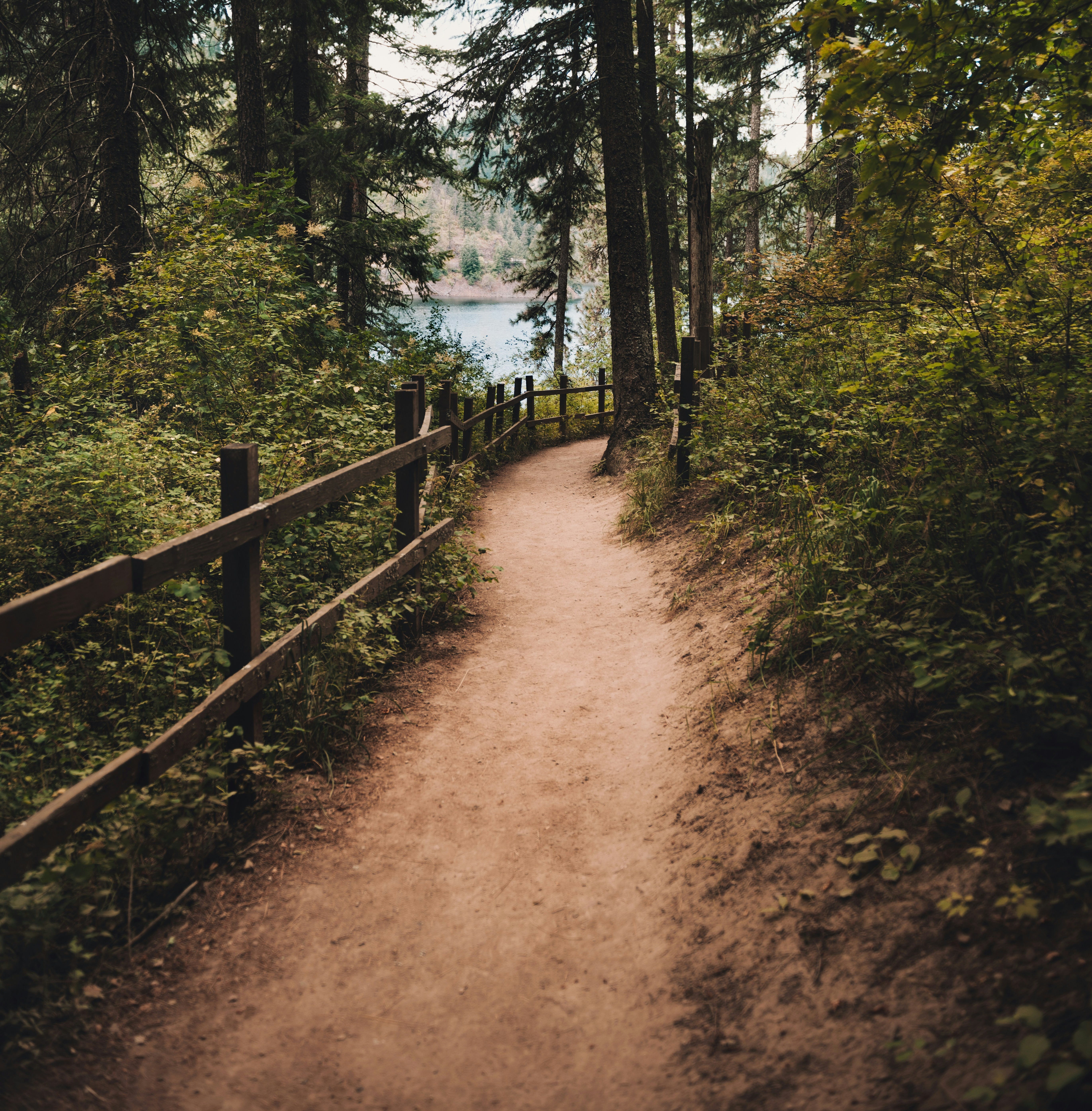
The Trail Is Different
I often feel more restored after a few hours on a trail than after an entire week away.
When I’m on a trail by myself, the list gets surprisingly quiet.
The trail does not care whether I remembered to schedule a dentist appointment.
The trees are not asking about college applications.
The river has no opinion about my annual report.
For a few hours, my brain gets to focus on something wonderfully simple.
Where am I placing my feet?
What bird is making that sound?
(I can confidently identify three. The rest are all “bird.”)
Do I need water?
Is rain coming?
What does the light look like through those trees?
The world shrinks down to immediate reality.
And sometimes, immediate reality is surprisingly wonderful.
The Dolphins
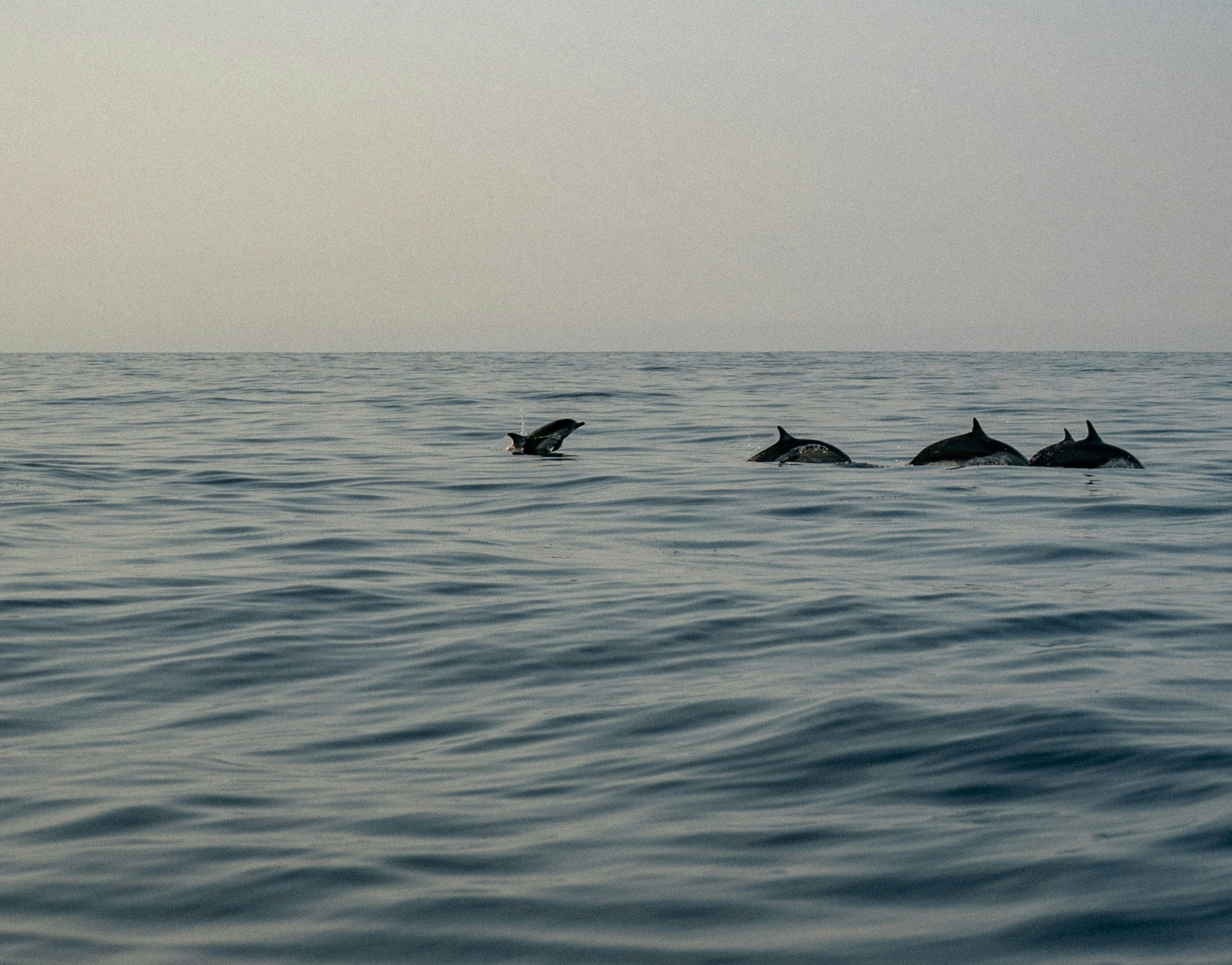
I still remember fishing one calm morning in the Sound.
There was a soft breeze. The rhythmic sound of water against the hull. No notifications. No decisions that needed to be made. No mental checklist running in the background.
And then, dolphins.
A pod surfaced nearby, circling after the same fish we were chasing.
I remember sitting there in absolute wonder.
And gratitude that I happened to be there when it happened.
Looking back, I think that’s part of what felt so restorative.
For a few minutes, my attention was entirely occupied by the simple fact that something beautiful was happening right in front of me.
My brain wasn’t planning, tracking, remembering, anticipating, or solving.
It was simply present.
Wonder and Mental Load
Researchers have spent decades studying why time in nature feels restorative.
One explanation comes from Attention Restoration Theory, which suggests that natural environments gently engage our attention without demanding constant effort.
A river moving over rocks.
Wind through trees.
Clouds shifting overhead.
Birdsong.
Nature invites us to notice rather than manage.
For women whose brains have spent years functioning as family command centers, that difference matters.
But as I thought about Scherr’s essay and my own experiences outside, I realized something else.
It occurred to me that wonder and mental load cannot occupy center stage at the same time.
The same attention cannot fully hold both.
Mental load lives in the future.
Wonder lives in the present.
While I was watching those dolphins, I wasn’t mentally reviewing my to-do list.
I wasn’t thinking about work.
I wasn’t planning next week.
It wasn’t intentional.
It was because something else had captured my attention completely.
For years, I’ve described my outdoor activities as adventures.
And sometimes they are.
But the older I get, the more I wonder if that’s only part of the story.
Maybe what keeps drawing me outside isn’t adventure at all.
Maybe it’s wonder.
Maybe it’s the possibility that around the next bend in the trail, beyond the next point in the Sound, or beside the next quiet riverbank, there will be something unexpected.
A waterfall.
An eagle.
A field of wildflowers.
A pod of dolphins.
Something that reminds me that the world is larger than my responsibilities.
And that I am, too.
For years, I thought the outdoors restored me because it helped me escape responsibility.
Now I think it restores me because it reminds me there is more to life than managing it.
Trail & Error began as a personal challenge: could I still become someone willing to try new things in the second half of life?
The answer turned out to be yes. Just with more ibuprofen and bug spray than expected.
If you’ve ever felt behind, intimidated, burned out, or quietly hungry for more adventure, this book was written for you.
A good friend termed our feeling in nature as “awe,”. It amazes and helps us to realize our tiny place in this big world. Love your story,
I totally understand this. Being “in” nature is not being “on” vacation to me. I find myself sitting and working while on vacation and I almost never find myself working when I’m hiking.